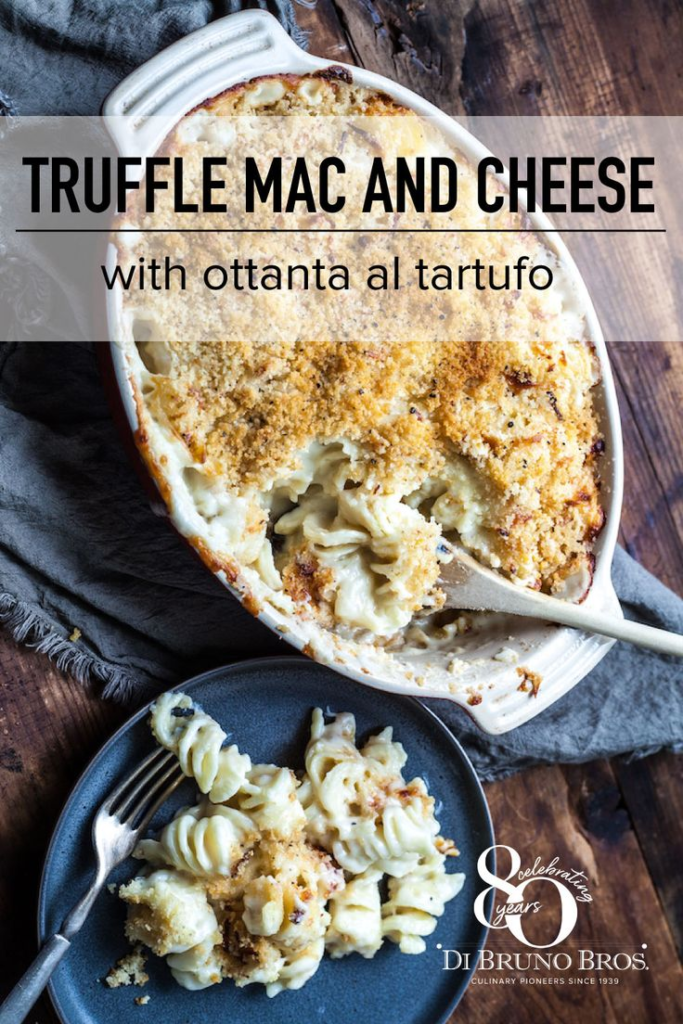
Across the United States, chefs are quietly reinventing classic comfort foods by hiding gourmet ingredients, global flavors, and fine-dining techniques inside familiar dishes. From truffle-infused mac and cheese to burgers filled with bone marrow butter, this trend blends nostalgia with innovation. This in-depth guide explores why it’s happening, what’s being hidden, real examples, and what it means for diners and home cooks.
Introduction: Comfort Food Isn’t What It Used to Be
Comfort food has always been about reassurance. It’s the food we turn to when we want something familiar, emotionally grounding, and uncomplicated. Dishes like mac and cheese, burgers, fried chicken, mashed potatoes, and meatloaf aren’t just meals—they’re memories on a plate.
But something fascinating is happening in American kitchens, restaurants, and even home dining tables.
Chefs are no longer content with serving comfort food exactly as it’s always been. Instead, they’re transforming it from the inside out. Beneath the familiar look and name of these classics, chefs are hiding unexpected gourmet ingredients—sometimes subtle, sometimes bold, but always intentional.
The result? Food that feels safe at first glance, then surprises you halfway through the bite.
What Exactly Is Gourmet Comfort Food?
Gourmet comfort food is the modern evolution of traditional comfort dishes. It keeps the emotional connection intact while upgrading the craftsmanship behind the scenes.
At its core, this style of cooking follows a simple philosophy:
Don’t change what people love—elevate it quietly.
Rather than presenting experimental or intimidating dishes, chefs use comfort food as a vessel for higher-quality ingredients, refined techniques, and deeper flavor profiles.
This approach allows diners to enjoy innovation without feeling challenged or excluded.
Why Chefs Are Choosing to “Hide” Gourmet Ingredients
One of the most intriguing aspects of this trend is the decision to hide gourmet elements rather than showcase them openly.
There are several reasons behind this strategy.
First, surprise plays a powerful role in human enjoyment. When diners expect something ordinary and receive something extraordinary, the emotional payoff is significantly higher. That unexpected moment—when the flavor suddenly deepens or changes—creates a lasting memory.
Second, comfort food is deeply personal. Many diners are protective of the foods they grew up with. By keeping the dish visually familiar, chefs avoid triggering resistance or skepticism.
Third, hiding ingredients allows chefs to introduce premium elements without making the dish feel pretentious or overpriced. The experience feels earned rather than advertised.
The Most Surprising Ingredients Being Hidden Inside Comfort Classics
Mac and Cheese Is Leading the Revolution
Mac and cheese has become the poster child of gourmet comfort food.
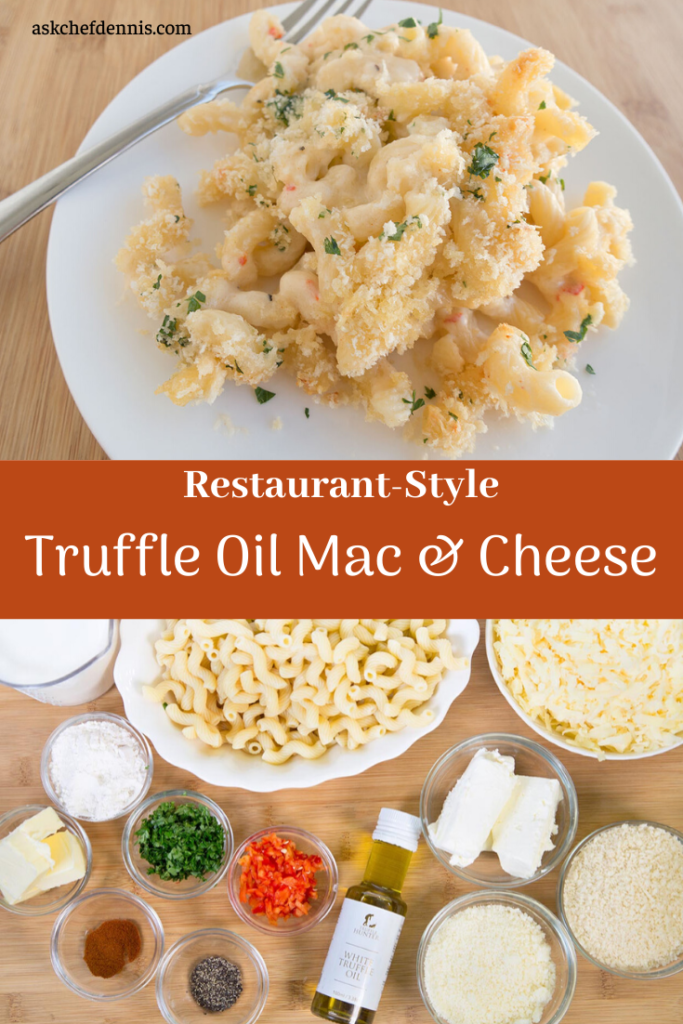
What looks like a simple bowl of pasta and cheese often contains layers of complexity, including:
- Truffle oil or truffle paste blended into the cheese sauce
- Aged cheeses like Gruyère, Comté, or cave-aged cheddar
- Miso or fermented dairy for deeper umami
- Lobster, crab, or short rib hidden beneath the pasta
From the outside, it still looks like the dish you grew up with. On the inside, it eats like a fine-dining entrée.
Burgers Are Becoming Flavor Vaults
The American burger has quietly evolved into one of the most experimental comfort foods on restaurant menus.
Chefs are hiding ingredients such as:
- Bone marrow butter inside the patty
- Blue cheese or smoked gouda folded into the grind
- Beef blends featuring brisket, chuck, and short rib
- Fermented onions or black garlic under the bun
The structure remains familiar, but the flavor experience is dramatically richer.
Fried Chicken Is Getting a Secret Upgrade
Fried chicken remains one of America’s most beloved comfort foods, which makes it a perfect candidate for subtle innovation.
Modern chefs are enhancing it with:
- Buttermilk marinades infused with global spices
- Hidden layers of seasoned ricotta or herbed butter
- Honey, chili oil, or fermented hot sauce brushed inside the crust
The dish still satisfies that craving for crunch and salt—but with added depth and balance.
How Global Flavors Are Being Introduced Without Intimidation
One of the most powerful shifts in American dining is the integration of global flavors into familiar formats.
Instead of presenting unfamiliar dishes, chefs are embedding international ingredients inside well-known comfort foods.
Examples include:
- Gochujang blended into meatloaf glaze
- Miso mixed into mashed potatoes
- Mole sauce folded into chili
- Garam masala baked into fried chicken breading
This approach allows diners to explore new flavors without stepping outside their comfort zone.
Why Comfort Food Became the Ideal Canvas for Innovation
Several cultural shifts have fueled this trend.
In recent years, diners have increasingly prioritized emotional satisfaction over spectacle. Rather than chasing novelty for its own sake, people want food that feels meaningful and personal.
Comfort food naturally fulfills those needs. It evokes memories, routines, and a sense of belonging. By elevating these dishes instead of replacing them, chefs meet diners where they already are.
This explains why gourmet comfort food has outperformed many experimental fine-dining trends in terms of popularity and staying power.
Real-Life Examples From Across the United States
Across the country, restaurants are embracing this approach in creative ways.
In New York, grilled cheese sandwiches arrive looking simple, but reveal layers of raclette, aged cheddar, and truffle when pulled apart.
In Chicago, fried chicken hides whipped honey butter and herbs beneath its crust.
In Texas, barbecue mac and cheese conceals slow-smoked brisket under layers of pasta.
In California, mashed potatoes come infused with roasted garlic, miso, and cultured butter—yet still resemble the classic side dish everyone recognizes.
These dishes succeed not because they shock, but because they respect tradition.
Is Gourmet Comfort Food About Luxury or Emotion?
While premium ingredients play an important role, emotion is the true driver behind this movement.
Comfort food connects people to childhood, family traditions, and shared cultural experiences. When chefs elevate these dishes thoughtfully, they amplify those emotions rather than replacing them.
The dining experience becomes less about being impressed and more about feeling understood.
How Home Cooks Are Adopting This Trend
This isn’t just a restaurant phenomenon.
Home cooks are increasingly experimenting with gourmet comfort food techniques, inspired by social media and food culture.
Common at-home adaptations include:
- Stuffing meatloaf with cheese or mushrooms
- Adding miso or sour cream to mashed potatoes
- Mixing multiple cheeses into mac and cheese
- Folding caramelized onions into burgers
These small changes deliver restaurant-level satisfaction without requiring advanced skills.
Is Gourmet Comfort Food Healthier?
While gourmet comfort food isn’t designed to be diet food, it often emphasizes quality over excess.
Many chefs now focus on:
- Higher-quality fats instead of larger quantities
- Balanced seasoning rather than heavy salt
- Smaller portions with richer flavors
This approach encourages mindful indulgence rather than overconsumption.
What This Trend Says About the Future of American Dining
The rise of gourmet comfort food reflects a deeper cultural shift.
People want food that feels personal, emotionally satisfying, and worth the experience. They’re less interested in being impressed and more interested in feeling connected.
As long as diners value familiarity paired with discovery, this trend shows no signs of fading.
Frequently Asked Questions (FAQ)
1. What is gourmet comfort food?
Ans. Gourmet comfort food takes familiar, nostalgic dishes and enhances them using premium ingredients, refined techniques, or hidden flavor elements while preserving emotional familiarity.
2. Why are chefs hiding ingredients instead of advertising them?
Ans. Hidden ingredients create surprise and emotional impact while keeping the dish approachable and non-intimidating.
3. Is gourmet comfort food replacing fine dining?
Ans. No. It complements fine dining by applying high-end techniques to casual, familiar formats.
4. Are these dishes more expensive than regular comfort food?
Ans. They can be slightly higher in price, but diners often perceive greater value due to ingredient quality and flavor depth.
5. What are the most common hidden ingredients?
Ans. Truffles, bone marrow, aged cheeses, fermented pastes, slow-cooked meats, and global spices.
6. Is this trend popular across the U.S.?
Ans. Yes. Gourmet comfort food is thriving in major cities and suburban dining scenes alike.
7. Can home cooks recreate gourmet comfort food?
Ans. Absolutely. Small upgrades like better cheese, cultured butter, or added umami can make a big difference.
8. Does gourmet comfort food require advanced cooking skills?
Ans. No. Many techniques are simple and focus more on ingredient choice than technical complexity.
9. Is gourmet comfort food healthier?
Ans. It can be more balanced when chefs focus on quality ingredients and thoughtful portions.
10. Will this trend last long-term?
Ans. Yes. Because it’s rooted in emotion and familiarity, it has strong long-term appeal.
Final Thoughts
Gourmet comfort food isn’t about reinventing tradition—it’s about honoring it.
By hiding extraordinary ingredients inside familiar dishes, chefs are creating experiences that feel both comforting and exciting. These meals don’t ask diners to change. They invite them to rediscover what they already love.
And that’s why this trend feels less like a fad—and more like the future of American comfort food.