In 2025, the tiny Norwegian town of Røros shocked the travel world by becoming one of the most talked-about destinations on social media. With fewer than 5,000 residents, this UNESCO-listed mining village suddenly captured the hearts of travelers worldwide. Its blend of sustainability, authenticity, and cultural preservation made it a blueprint for small towns everywhere dreaming of global attention.
How Did a Small Mining Town Suddenly Become a Major Travel Destination?
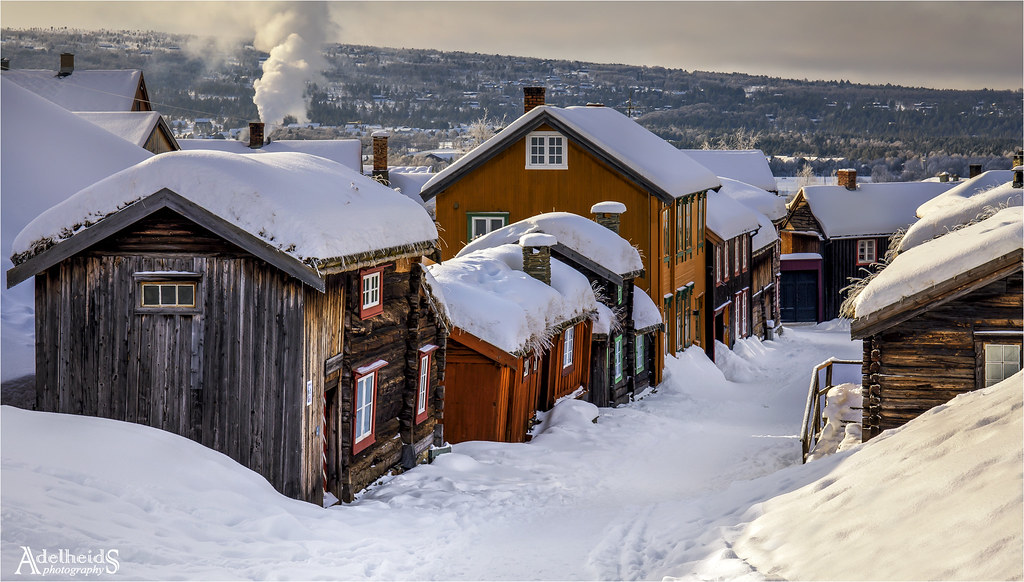
For decades, Røros quietly existed as a well-preserved relic of Norway’s mining past. Founded in 1644, its cobbled streets, wooden houses, and snow-dusted rooftops looked straight out of a fairytale — but few beyond Scandinavia even knew it existed.
Then, in late 2024 and early 2025, something remarkable happened. A convergence of sustainability efforts, digital storytelling, and cultural revival catapulted Røros into the global spotlight.
Key Catalysts Behind the Rise:
- UNESCO Heritage Recognition: Though designated years earlier, the town recently invested in amplifying that status through international tourism campaigns.
- Eco-Tourism Leadership: Røros implemented zero-waste initiatives and electric mobility solutions, aligning perfectly with the “green travel” trend among American tourists.
- Influencer Discovery: A few major travel creators on TikTok and YouTube showcased the town’s Christmas markets, husky sledding adventures, and aurora-filled nights — igniting viral attention.
- Infrastructure Upgrades: Improved train connectivity from Trondheim and Oslo, plus boutique heritage hotels, made it accessible yet charming.
- Local Strategy: The tourism board smartly branded Røros as a “living heritage village”, promoting slow travel, artisanal food, and community-driven experiences.
By early 2025, search interest for “Røros Norway travel” and “hidden towns in Europe” surged over 240% (Google Trends).
Why Are Travelers (Especially Americans) Flocking to Røros?
It’s simple — people are exhausted by over-touristed, high-priced cities. Travelers now crave authenticity, calm, and connection.
Røros checks every box.
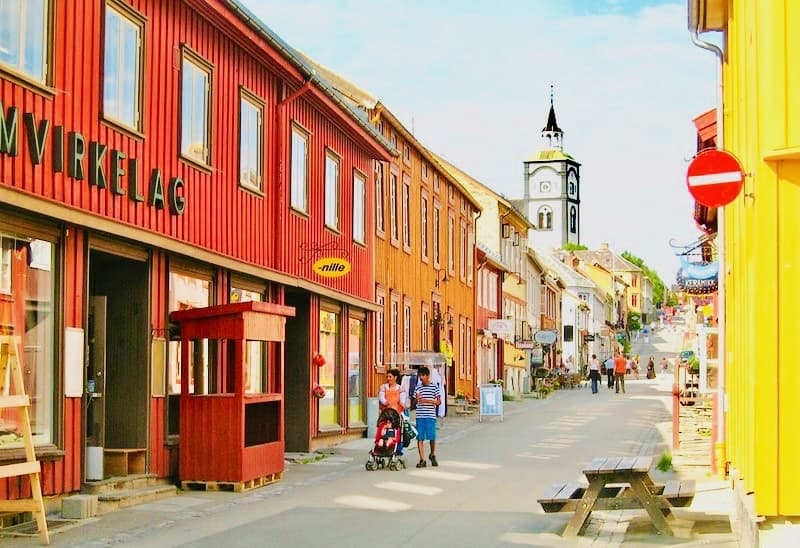
The Experience Includes:
- Walking through snow-lined streets surrounded by centuries-old timber homes.
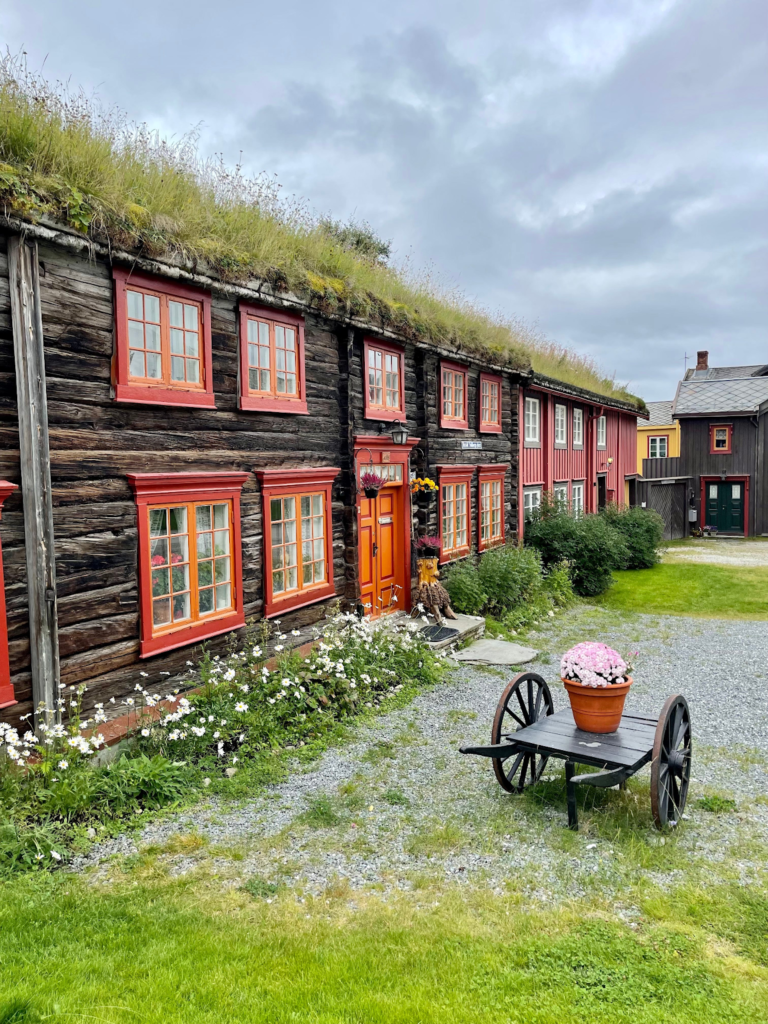
- Staying in restored miner cottages or eco-lodges that blend history with comfort.
- Dining on reindeer stew and cloudberry desserts by candlelight.
- Witnessing the Northern Lights with virtually no light pollution.
- Meeting local artisans making wool garments and woodcrafts by hand.
It’s travel without the chaos — just stories, people, and peace.
A traveler from Minnesota described it perfectly:
“It felt like stepping into a storybook — but one where everyone genuinely wanted to share their culture, not sell it.”
What Made the Change Feel “Overnight”?
Though years in the making, the transformation appeared sudden because of timing and technology.
By 2024, Røros had already introduced sustainable visitor limits and an electric-only transport system. But in January 2025, a viral YouTube video titled “Europe’s Town Frozen in Time (That No One Talks About)” received 15 million views.
Soon after:
- U.S. travel media, including Forbes and Travel + Leisure, spotlighted Røros.
- Instagram travel pages labeled it “Norway’s Fairytale Town.”
- Airbnbs booked out six months in advance.
Within months, Røros went from a quiet winter hideaway to a global bucket-list destination.
A Real-Life Example: The Everett Family from Minnesota
The Everetts — a family of four from Minneapolis — visited Røros in February 2025 after seeing viral clips online.
Their 5-day itinerary looked like this:
Day 1: Train from Trondheim, check-in at a restored 1800s cottage, and explore the old copper-mining quarter.
Day 2: Cross-country skiing through birch forests and a wood-fired sauna experience.
Day 3: Husky sledding and reindeer dinner at a local farm restaurant.
Day 4: Tour of the Røros Mining Museum, ending with an Aurora Borealis night tour.
Day 5: Shopping for handmade wool scarves and departure.
The family said their favorite part wasn’t the scenery — it was the people. Locals invited them to a folk-music jam night and shared stories of generations who built the town by hand.
How Can Other Small Towns Replicate Røros’s Success?
Røros offers a lesson for small communities everywhere: global fame doesn’t require skyscrapers or flashy attractions — it requires authentic storytelling and purpose-driven tourism.
The Winning Formula:
- Find Your Niche: Instead of competing with big cities, celebrate what makes your town unique.
- Preserve the Past: Tourists increasingly value authenticity over modernization.
- Leverage Digital Media: Partner with micro-influencers who highlight real, human stories.
- Control Growth: Limit large-scale resorts or mass tours that disrupt the local balance.
- Build Year-Round Appeal: Offer cultural events and outdoor activities beyond one season.
- Sustainability Sells: The eco-conscious traveler of 2025 expects measurable environmental initiatives.
If a mining town in the Norwegian wilderness can do it — so can others.
Why Does This Matter for 2025 Travelers?
The rise of towns like Røros signals a shift in the future of travel. Mega-tourism is fading, and micro-destinations are rising.
According to Booking.com’s 2025 travel trends report, 68% of travelers now prioritize small-town or nature-based destinations over large cities. These travelers seek mindfulness, sustainability, and story-driven experiences.
Røros isn’t just a trend; it’s a model for the next decade of tourism — where meaning outweighs marketing.
Top 10 FAQs About Røros and Small-Town Travel Hotspots
1. Why are small towns becoming popular travel destinations in 2025?
Travelers are shifting toward authentic, uncrowded, and sustainable experiences. After years of global tourism saturation, small towns offer intimacy and connection.
2. Is Røros only worth visiting in winter?
No. While winter brings snow magic and the Northern Lights, summer offers hiking, rafting, and long daylight hours. Every season has charm.
3. How can U.S. travelers reach Røros easily?
Fly into Oslo or Trondheim, then take a scenic train ride (about 3 hours) to Røros. The route itself is a breathtaking prelude to your stay.
4. How expensive is it to visit?
Expect $250–$400 per night for boutique accommodations, though off-season stays can drop to around $180. Activities like husky rides or museum tours cost extra.
5. Do locals speak English?
Yes, almost everyone in Røros speaks excellent English — communication is effortless.
6. What’s the best time to see the Northern Lights?
From late November to early March, when skies are clear and darkness lasts longer.
7. Are there luxury hotels or only rustic stays?
Both. You’ll find cozy cottages, boutique eco-lodges, and a few premium spa hotels that blend modern luxury with historic design.
8. What cultural experiences can I enjoy?
Attend the Rørosmartnan Winter Fair (since 1854), try Sami cuisine, or join folk-music nights at local cafés.
9. Is it family-friendly?
Absolutely. Røros offers safe environments, kid-friendly outdoor activities, and educational history tours.
10. Will it become overcrowded soon?
Possibly — but local authorities enforce strict visitor caps to maintain balance. Visiting soon ensures a more personal experience.
Final Thoughts: The Power of Small-Town Magic
Røros proves that big dreams can live in small places. By blending heritage preservation, eco-innovation, and heartfelt community, it turned what once was a quiet mining village into a model of future-forward tourism.
If you’re looking to travel somewhere that feels untouched by time — yet deeply alive with culture — Røros, Norway deserves a top spot on your 2025 bucket list. Go before the crowds do.