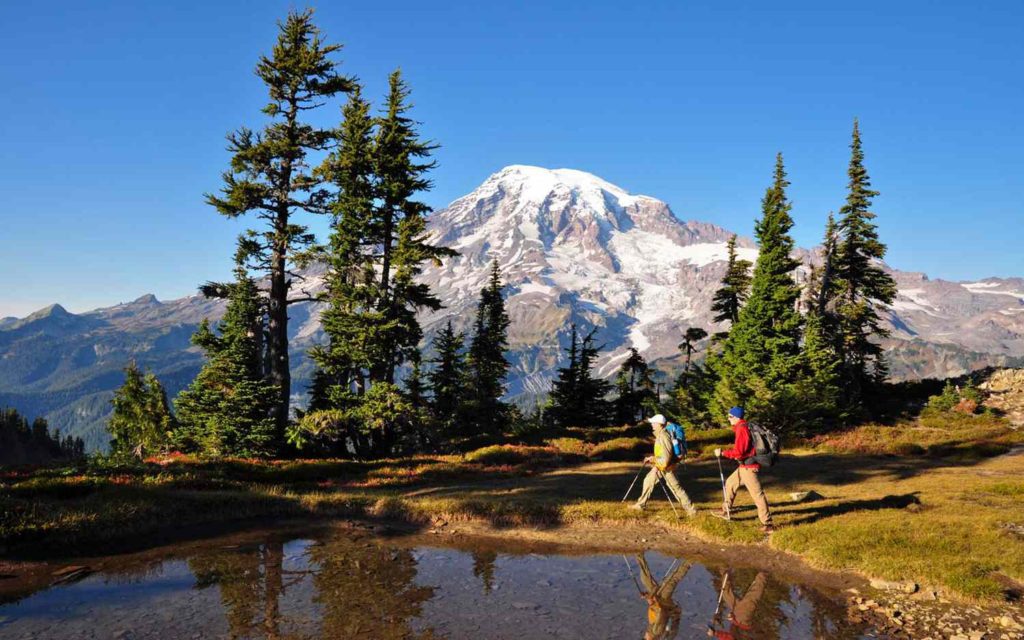
Across the United States, hikers are uncovering hidden country trails that rival famous national parks—without crowds, permits, or pressure. These lesser-known paths reveal forgotten history, unexpected wildlife encounters, and deep mental restoration. From rural rail-trails to rediscovered pioneer routes, America’s hidden trails are redefining outdoor adventure for those seeking solitude, authenticity, and meaningful exploration.
Why Are Americans Suddenly Drawn to Hidden Country Trails?
For decades, hiking in America followed a predictable script. The most famous trails were also the most crowded. National parks became symbols of outdoor adventure, but they also came with congestion, reservation systems, parking lotteries, and social-media-driven pressure to “perform” the experience.
In recent years, hikers across the U.S. have quietly started choosing a different path—literally.
Hidden country trails, once ignored or taken for granted by locals, are now drawing attention from people craving something simpler, quieter, and more authentic. These trails don’t promise viral views or bucket-list bragging rights. What they offer instead is something increasingly rare: space to breathe, think, and move without interruption.
This shift reflects a broader change in American travel habits. People are prioritizing nearby experiences, shorter drives, lower costs, and deeper emotional value. Instead of chasing highlights, they’re rediscovering the joy of walking through landscapes that feel untouched by mass tourism.
What Are “Hidden Country Trails,” Really?
Hidden country trails are not secret in a forbidden sense. They are simply under-publicized, lightly trafficked trails that exist outside major tourism circuits.
These trails often include:
- Old farm roads converted into walking paths
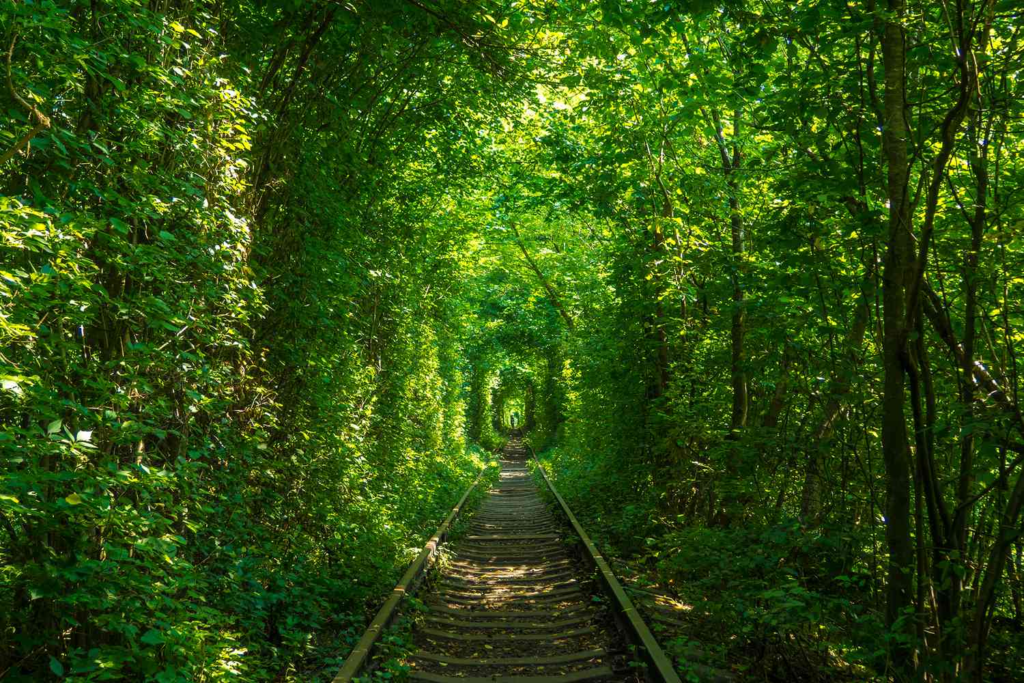
- Abandoned rail corridors turned into scenic rail-trails
- Historic trade routes and pioneer paths
- Wildlife corridors through rural forests and grasslands
- Community-maintained loop trails near small towns
Unlike well-known hiking destinations, these trails are usually maintained by counties, land trusts, or local volunteers rather than federal agencies. That means fewer signs, fewer amenities, and fewer crowds—but also far more character.
What Are Hikers Actually Discovering on These Trails?
Forgotten History Hidden in Plain Sight
One of the most surprising discoveries hikers report is history—real, tangible, and often unmarked.
In rural Pennsylvania, hikers have stumbled across stone foundations from 19th-century logging camps. In parts of the Midwest, old rail-trails still show mile markers etched by hand decades ago. In the South, some country trails quietly trace former Civil War supply routes or early Indigenous trade paths.
These aren’t museum exhibits. They’re remnants left where life once unfolded, now reclaimed by grass and trees. Because these trails don’t see heavy traffic, history hasn’t been sanitized or curated—it simply exists.
Many hikers say these moments feel more meaningful than reading plaques in busy parks. Discovering history organically creates a sense of connection that guidebooks rarely deliver.
Wildlife Encounters That Feel Almost Unreal
Crowded parks change animal behavior. Hidden country trails do the opposite.
Because foot traffic is low and development minimal, wildlife behaves naturally. Hikers regularly report encounters that would be unlikely on popular routes:
- Deer grazing calmly a few yards away
- Owls visible in daylight
- Foxes and coyotes crossing trails at dawn
- Turtles sunning on logs beside creeks
- Rare bird species absent from noisy environments
One hiker in Arizona described watching a herd of pronghorn cross an open trail at sunrise. Another in rural Wisconsin recounted sitting quietly while sandhill cranes passed overhead, undisturbed.
These moments aren’t staged. They happen because the land hasn’t been overwhelmed.
The Luxury of True Solitude
Perhaps the most profound discovery is solitude.
On many hidden country trails, hikers report going hours—or entire hikes—without seeing another person. Even on weekends, some trails remain nearly empty.
For people dealing with burnout, anxiety, or constant digital noise, this solitude becomes therapeutic. Without crowds, there’s no pressure to rush, pose, or compare. Just walking, listening, and thinking.
In an era where attention is constantly fragmented, uninterrupted time on a quiet trail can feel transformative.
Why Hidden Country Trails Are Trending Now
Several factors have converged to push Americans toward lesser-known trails:
- National parks experiencing record overcrowding
- Permit systems limiting spontaneous travel
- Rising travel and fuel costs
- Growth of remote work and flexible schedules
- Increased awareness of mental health benefits from nature
Local and regional trail use has surged, particularly within a few hours’ drive of major cities. Instead of planning one big trip a year, people are choosing frequent, smaller outdoor escapes.
Hidden country trails fit perfectly into this new rhythm of life.
Real-Life Stories From America’s Quiet Trails
A Remote Worker Finds Balance in Rural Oregon
A software engineer working remotely from Seattle began hiking a little-known loop trail near a former logging town in Oregon. What started as an occasional break turned into a weekly ritual.
Over time, he noticed improved focus, lower stress, and a renewed appreciation for physical movement. The trail became a boundary between work and life—something crowded urban parks never offered.
A Midwest Family Rediscovers Weekend Adventure
A family in Iowa replaced mall outings and theme parks with local rail-trails connecting small farming towns. Their kids learned regional history from trail markers, spotted wildlife along creeks, and ended hikes at local diners.
The parents noticed something unexpected: their children asked for these trips. Without screens or crowds, the experience felt genuinely engaging.
A Veteran Walks Through History in Virginia
A retired veteran discovered a country trail following an early American supply route. Walking it weekly became both physical exercise and emotional grounding.
The quiet landscape allowed reflection, remembrance, and a sense of continuity—connecting past service with present peace.
Are Hidden Country Trails Safe?
Safety is one of the most common questions Americans ask—and it’s a fair one.
Hidden country trails are generally safe, but they require more self-reliance than crowded destinations.
Important considerations include:
- Limited or no cell service
- Fewer trail signs
- Longer response times in emergencies
- More frequent wildlife encounters
However, many hikers argue these trails feel safer overall due to the absence of theft, overcrowding, and chaotic conditions common in popular parks.
Preparation—not fear—is the key.
How Do People Find These Trails?
You don’t need insider connections. Most hikers find hidden country trails through overlooked sources:
- County park and recreation websites
- Local land trust pages
- State conservation department maps
- Regional hiking forums
- Rural visitor centers and libraries
Ironically, many of these trails remain uncrowded because they don’t appear prominently on mainstream apps.
What Gear Do You Actually Need?
You don’t need elite equipment, but you do need to be prepared.
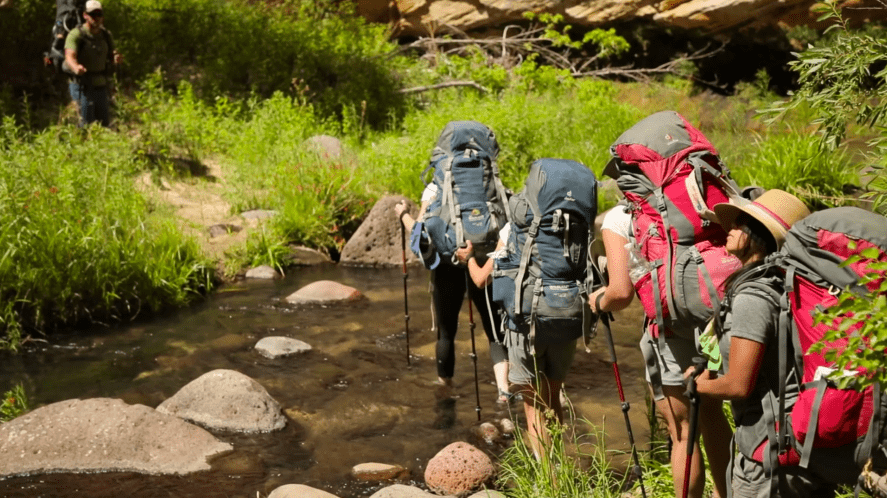
Most experienced hikers recommend:
- Offline maps downloaded in advance
- Extra water, even for short hikes
- Basic first-aid supplies
- Sun and weather protection
- A simple emergency plan
Because amenities are limited, preparedness matters more than brand names.
Why Locals Often Keep These Trails Quiet
In many rural communities, trails are treated with care. Locals aren’t unwelcoming—they’re protective.
Overuse can damage fragile ecosystems and overwhelm small towns. When visitors respect the land and support local businesses, communities are far more open to sharing these spaces.
Responsible discovery ensures these trails remain accessible for future generations.
The Mental Health Benefits No One Expected
Mental health professionals increasingly recognize the value of low-traffic nature exposure.
Unlike busy parks, hidden country trails allow uninterrupted immersion. Hikers frequently report:
- Reduced anxiety
- Improved sleep quality
- Better emotional regulation
- Increased clarity and focus
These benefits aren’t anecdotal—they’re consistent across age groups and regions.
Are Hidden Country Trails Better Than National Parks?
This isn’t about replacing iconic destinations. It’s about balance.
Hidden country trails solve specific pain points:
- No reservations or permits
- No entrance fees
- Shorter travel distances
- Greater flexibility
- Deeper local connection
For everyday life—not once-in-a-lifetime trips—these trails often provide more sustainable joy.
The Future of America’s Hidden Trails
As Americans continue to seek authentic, low-pressure experiences, hidden country trails are becoming central to outdoor recreation.
Their future depends on:
- Responsible visitor behavior
- Local funding and volunteerism
- Thoughtful discovery rather than mass exposure
These trails remind us that adventure doesn’t require spectacle. Sometimes it begins on a quiet path behind a town you’ve never heard of.
Final Thoughts: Why This Matters Now
Hidden country trails preserve history, support rural economies, protect mental health, and reconnect people with the land.
For those willing to step off the beaten path, the reward isn’t just scenery—it’s rediscovering what walking in America used to feel like.
Frequently Asked Questions (SEO-Optimized – 10 FAQs)
1. What are hidden country trails?
Hidden country trails are lesser-known hiking paths in rural or local areas that receive minimal tourism traffic and are often maintained by local communities.
2. Are hidden country trails free to access?
Most hidden country trails are free, especially those managed by counties, towns, or land trusts.
3. Are these trails suitable for beginners?
Yes. Many country trails are flat, well-maintained, and ideal for beginners or families.
4. Can I bring my dog on country trails?
Many allow dogs, often with fewer restrictions, but leash rules still apply in most areas.
5. Do hidden trails have proper signage?
Signage varies. Some are well-marked, while others require maps or GPS navigation.
6. Is wildlife more common on these trails?
Yes. Lower foot traffic means animals behave more naturally and are seen more often.
7. Are hidden country trails safe for solo hikers?
They can be, provided hikers plan ahead, inform someone of their route, and carry essentials.
8. Can I camp on hidden country trails?
Some allow dispersed camping, but rules vary by location and land ownership.
9. Why aren’t these trails promoted more widely?
Limited funding and intentional preservation often keep them under-publicized.
10. How can I help preserve hidden country trails?
Practice Leave No Trace principles, respect local communities, and support trail maintenance efforts.